
6 Reasons Metal Roofing Is Gaining Popularity Among Homeowners
In recent years, metal roofing has transitioned from a niche industrial material to a significant trend in residential architecture. Once reserved for barns or high-end commercial warehouses, metal roofs are now a common sight in suburban neighborhoods across the country. This surge in popularity can be attributed to a perfect storm of factors: traditional roofing materials like asphalt are facing increasing challenges regarding longevity and extreme weather resilience, while modern metal solutions have evolved to offer unmatched durability and style.
As homeowners become more sophisticated in their understanding of "Total Cost of Ownership," the appeal of a roof that lasts for a lifetime rather than a decade has become undeniable. This article delves into why homeowners are increasingly turning to metal for their properties, exploring everything from energy-saving reflectivity and aesthetic versatility to the significant environmental benefits that come with using metal roofing materials.
1. Unmatched Durability and Longevity
The most compelling reason homeowners are opting for metal is its rugged resilience. While traditional asphalt shingles are prone to wind uplift, granule loss, and cracking, metal systems are engineered to withstand the most punishing weather conditions. Whether it is heavy snow loads, hurricane-force winds, or large hail, metal provides a reliable shield for the home’s interior.
The longevity of metal is truly in a league of its own. While a standard shingle roof may require replacement every 15 to 20 years, a roof constructed with high-quality metal roofing materials can easily last 40 to 70 years. In many cases, this makes it the last roof a homeowner will ever need to install. This incredible service life is bolstered by a natural resistance to biological threats; metal does not rot, it is impervious to insect infestations, and it inhibits the growth of mold and mildew.
In regions prone to wildfires, the fire-resistant nature of metal is a literal lifesaver. Most metal systems carry a Class A fire rating, the highest possible, meaning the roof will not ignite from flying embers. Additionally, its high impact resistance protects the home from falling branches or debris during severe storms, ensuring that the structural integrity of the roof remains intact when it matters most.
2. Superior Energy Efficiency
Metal is often referred to as a "cool roof" material because of its inherent thermal properties. Unlike asphalt, which absorbs and holds solar heat (radiating it into the attic long after the sun goes down), metal reflects solar radiation.
Modern metal roofing materials are often treated with specialized "cool colors" and reflective pigments. This reflectivity keeps the home’s interior significantly cooler during the height of summer. This isn't just about comfort; it's a financial advantage. Homeowners can see a reduction in cooling costs of up to 25% or more.
The initial investment in a metal system is often higher than traditional alternatives, but the energy savings provide a consistent return on investment. According to Forbes, metal roofing materials cost between $2.60 and $35.80 per square foot, with labor adding an additional $3 to $11.80 per square foot.
While the upfront price tag might seem steep, the combination of reduced utility bills and the lack of replacement costs over 50 years makes metal a financially savvy choice for the long-term thinker.
3. Aesthetic Versatility and Curb Appeal
Gone are the days when a metal roof meant a flat, grey tin sheet. Today’s metal materials offer an incredible array of aesthetic options that can enhance any architectural style, from an ultra-modern minimalist retreat to a classic Victorian home.
One of the most innovative developments in the industry is the ability of metal to mimic other materials. Through advanced stamping and coating techniques, metal can take on the appearance of:
- Slate: Providing the elegance of stone without the extreme weight.
- Cedar Shake: Capturing the rustic charm of wood without the fire risk.
- Clay Tile: Offering a Mediterranean look that is much more durable than ceramic.
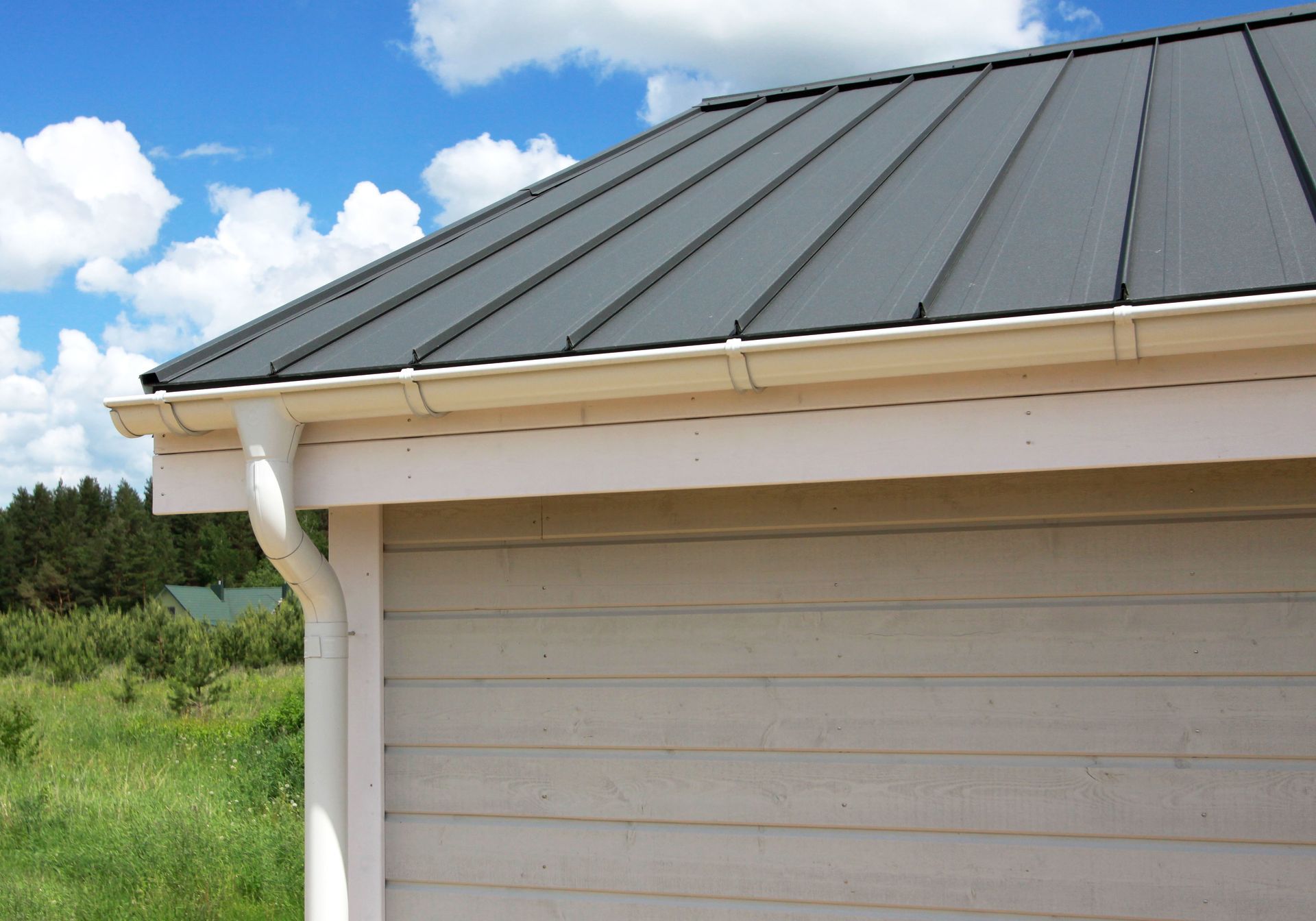
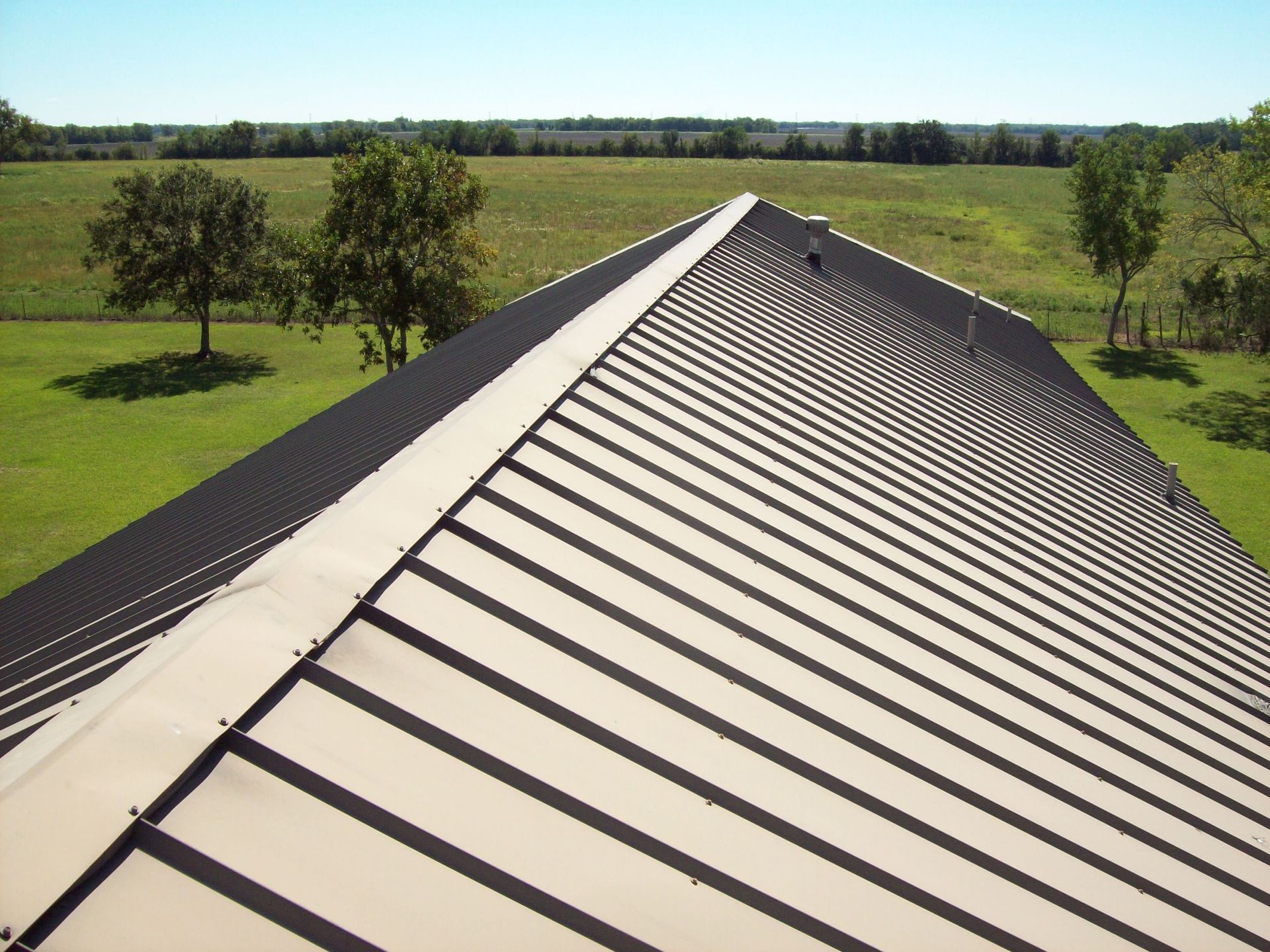
Homeowners can choose from hundreds of colors, finishes, and textures. Whether you want a matte black standing-seam roof for a contemporary look or a textured copper patina for a historic feel, the design flexibility is limitless. This high-end finish significantly boosts curb appeal, often increasing the overall resale value of the property.
4. Cost-Effectiveness and Investment Value
When evaluating the cost of a roof, it is essential to look beyond the installation day. Metal is a "once-and-done" investment. Because it requires minimal maintenance—usually just an occasional rinse and a gutter cleaning—the ongoing costs are virtually zero.
Many insurance companies recognize the safety of metal roofing materials and offer premium discounts for homes with fire and impact-resistant roofs. Furthermore, because metal is lightweight, it can sometimes be installed over existing shingles, which reduces labor costs and eliminates the waste associated with a full tear-off.
A home with a roof that is guaranteed for the next 50 years is a massive selling point. Potential buyers view a metal roof as a sign of a high-quality, well-maintained home, often leading to faster sales and higher closing prices. It transforms the roof from a looming future expense into a permanent asset.
5. Environmental Impact and Sustainability
Sustainability is no longer a luxury; it is a necessity in modern construction. Metal is widely considered the most eco-friendly roofing option available to homeowners today.
Most metal roofing materials consist of 25% to 95% recycled content. More importantly, when the roof finally reaches the end of its exceptionally long life, it is 100% recyclable. It will never end up in a landfill, unlike the 11 million tons of asphalt shingles that are discarded annually in the United States.
Metal is the ideal substrate for solar power. The "standing seam" profile allows for solar panels to be clamped onto the ribs of the roof without the need for drilling holes. This preserves the watertight integrity of the roof while making it easy to harness renewable energy, further reducing the home's carbon footprint.
6. Technological Advancements in Metal
The final reason for metal's rise is the rapid pace of innovation. Modern coatings now include anti-corrosive layers and self-healing polymers that prevent scratches from turning into rust.
Advanced alloys have made metal roofing materials stronger and lighter than ever before. New pigment technologies allow even dark-colored roofs to remain cool to the touch by reflecting infrared light. These technological leaps ensure that the roof doesn't just look good on day one, but maintains its performance and color for half a century.
New interlocking systems and concealed fasteners mean that the "Achilles heel" of old metal roofs—the screws—is no longer an issue. By hiding the fasteners beneath the metal panels, manufacturers have eliminated the primary source of leaks, creating a seamless, impenetrable barrier against the elements.
The transition toward metal roofing is a reflection of homeowners prioritizing quality, sustainability, and long-term value. From its ability to withstand extreme Wisconsin winters to its role in slashing summer cooling bills, metal provides a level of performance that asphalt simply cannot match. By choosing to invest in high-quality metal materials, you are not just buying a roof; you are buying peace of mind for the next several decades.
Don't settle for a temporary fix that will need replacing in a few short years. Ensure your home is protected by the best materials in the industry. Whether you are looking for classic shingles or a modern standing-seam design, the experts at Budget Lumber are here to provide the quality supplies and professional advice you need. Contact us today to explore our selection and start your journey toward a lifetime of protection!
Share On: